
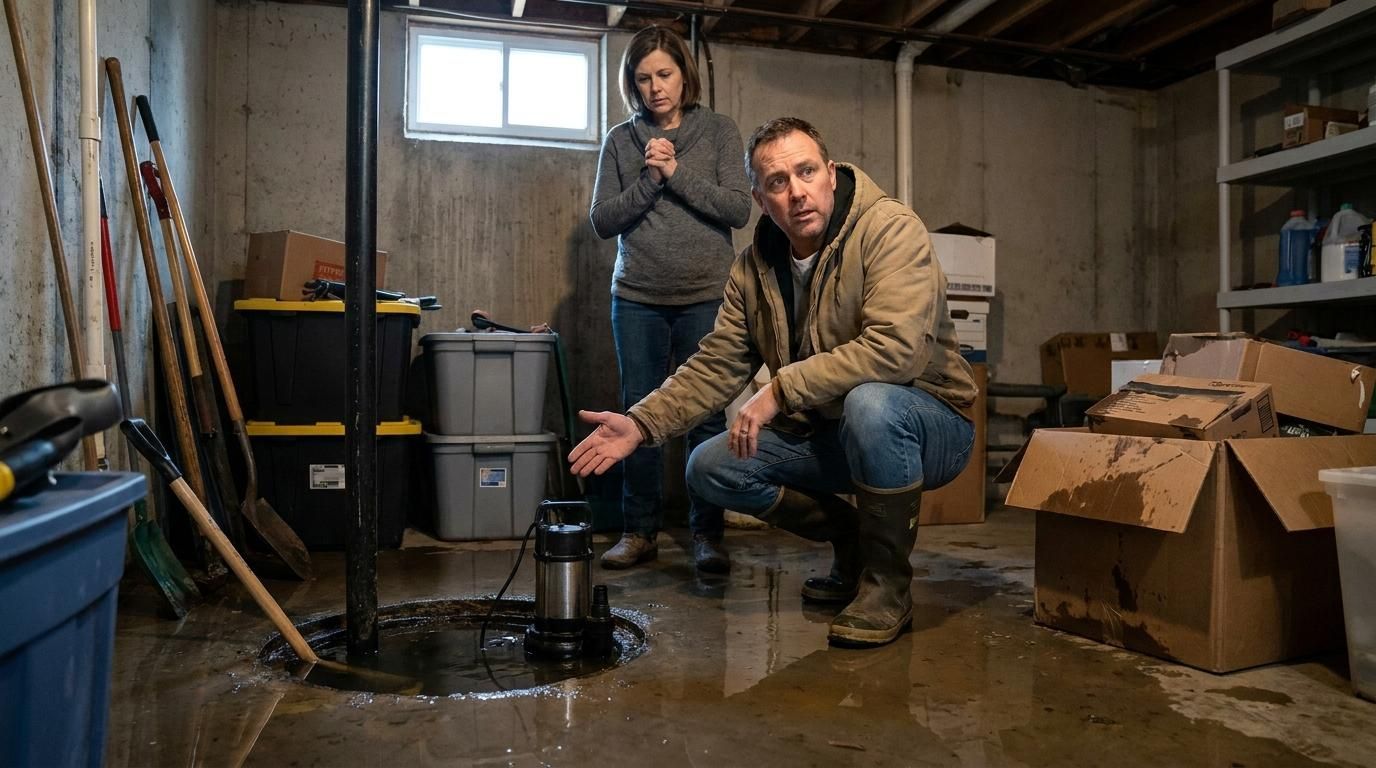
Fix a sump pump that's not working with this step-by-step troubleshooting guide. Learn about the common causes and solutions from Cardona Construction.
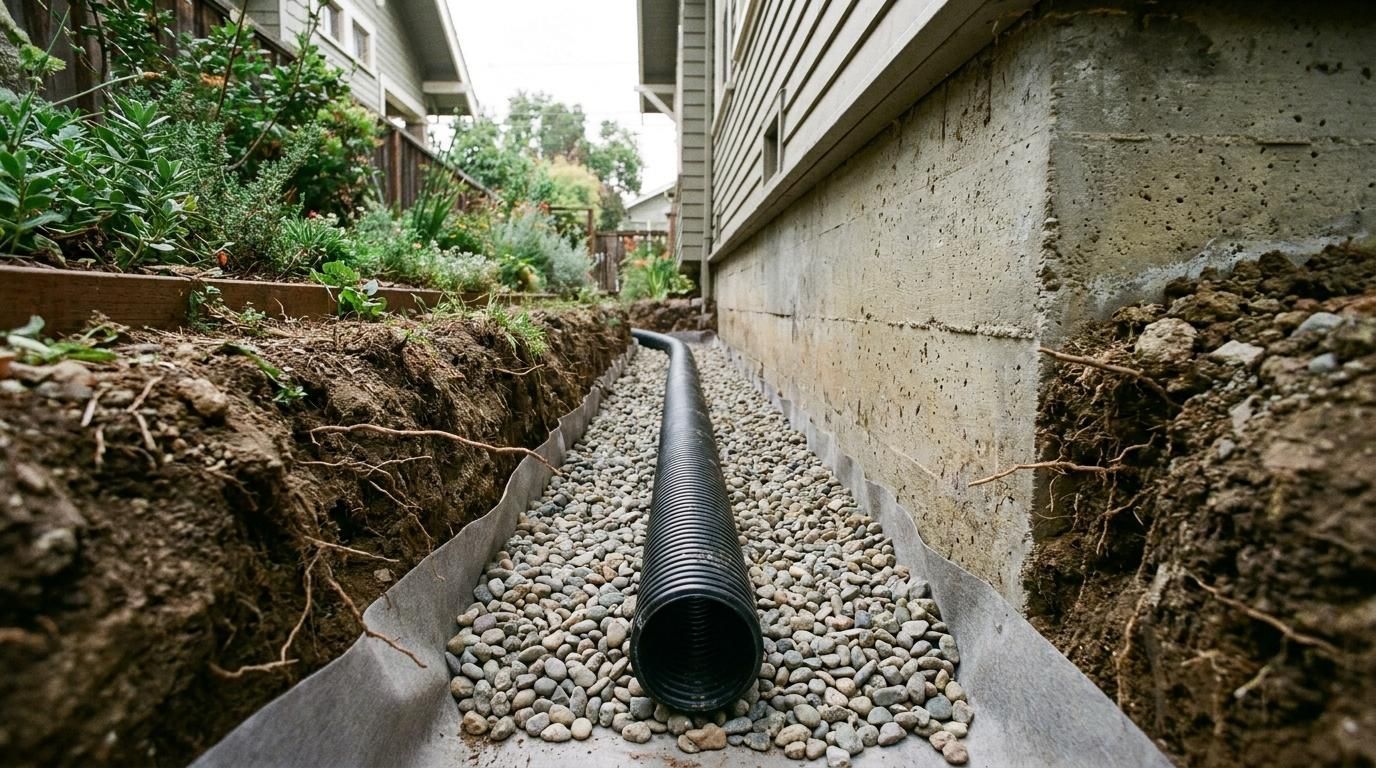
Learn about exterior, interior, and shallow French drains. Find the right type for your Bay Area property with guidance from Cardona Construction.
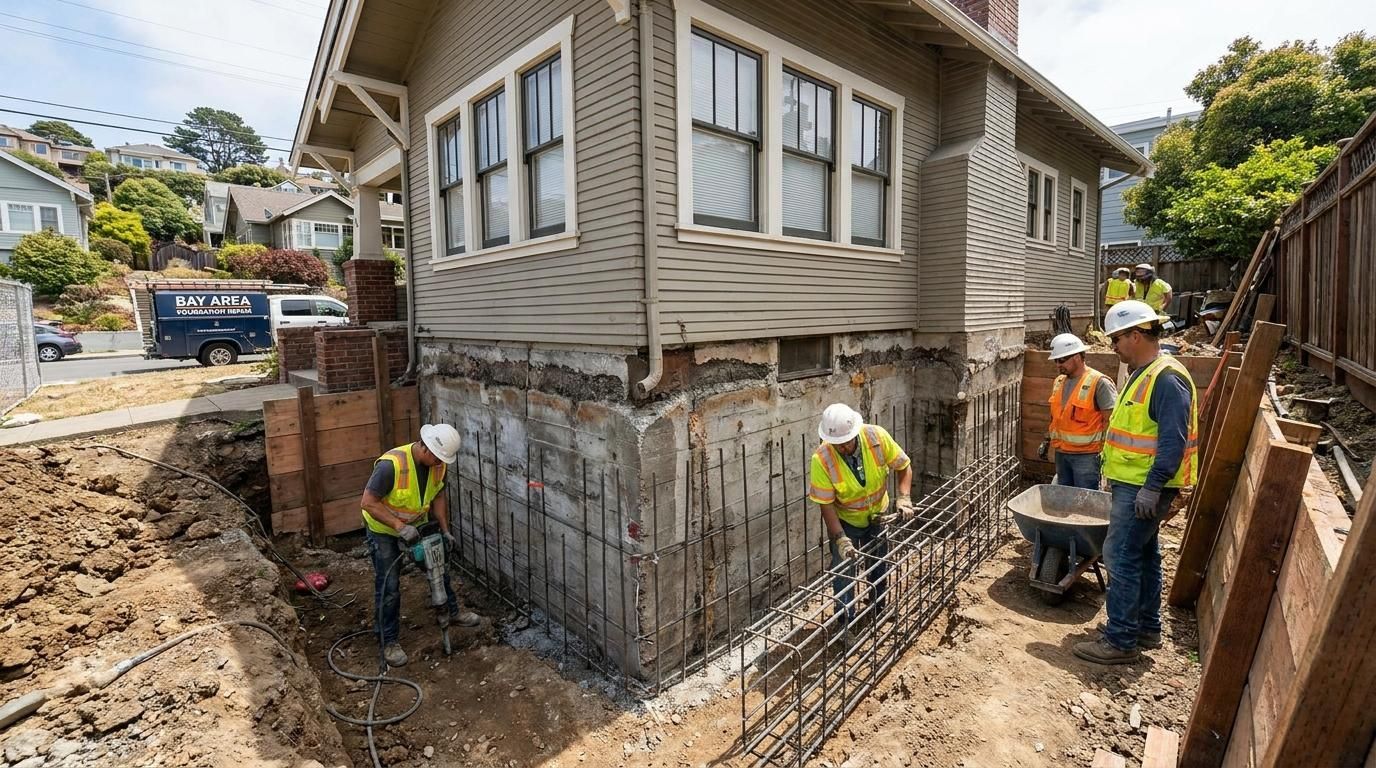
Foundation repair costs $2,200 to $8,400 nationally, and higher in the Bay Area. Get the cost breakdown by repair type from Cardona Construction.
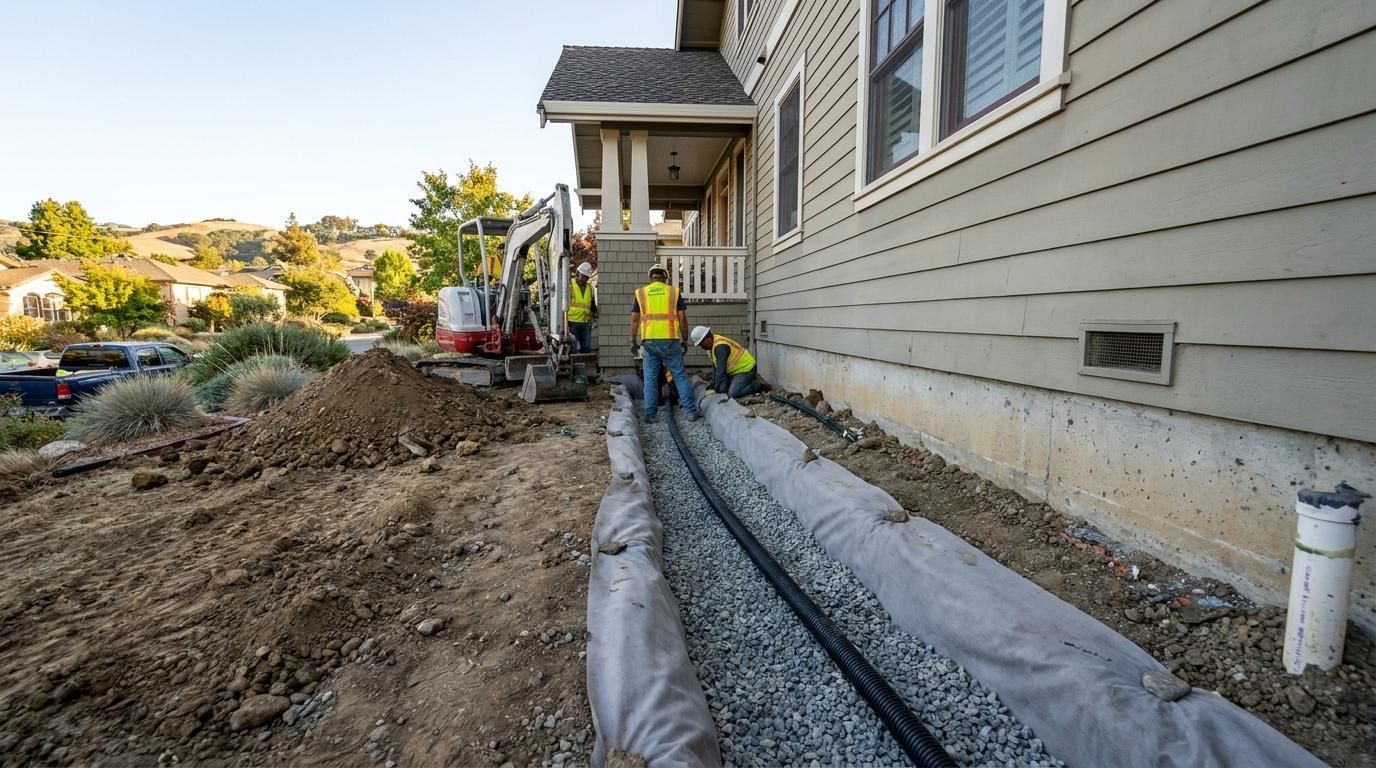
Compare French drains and sump pumps on cost, function, and best use cases with this Bay Area drainage guide from Cardona Construction.
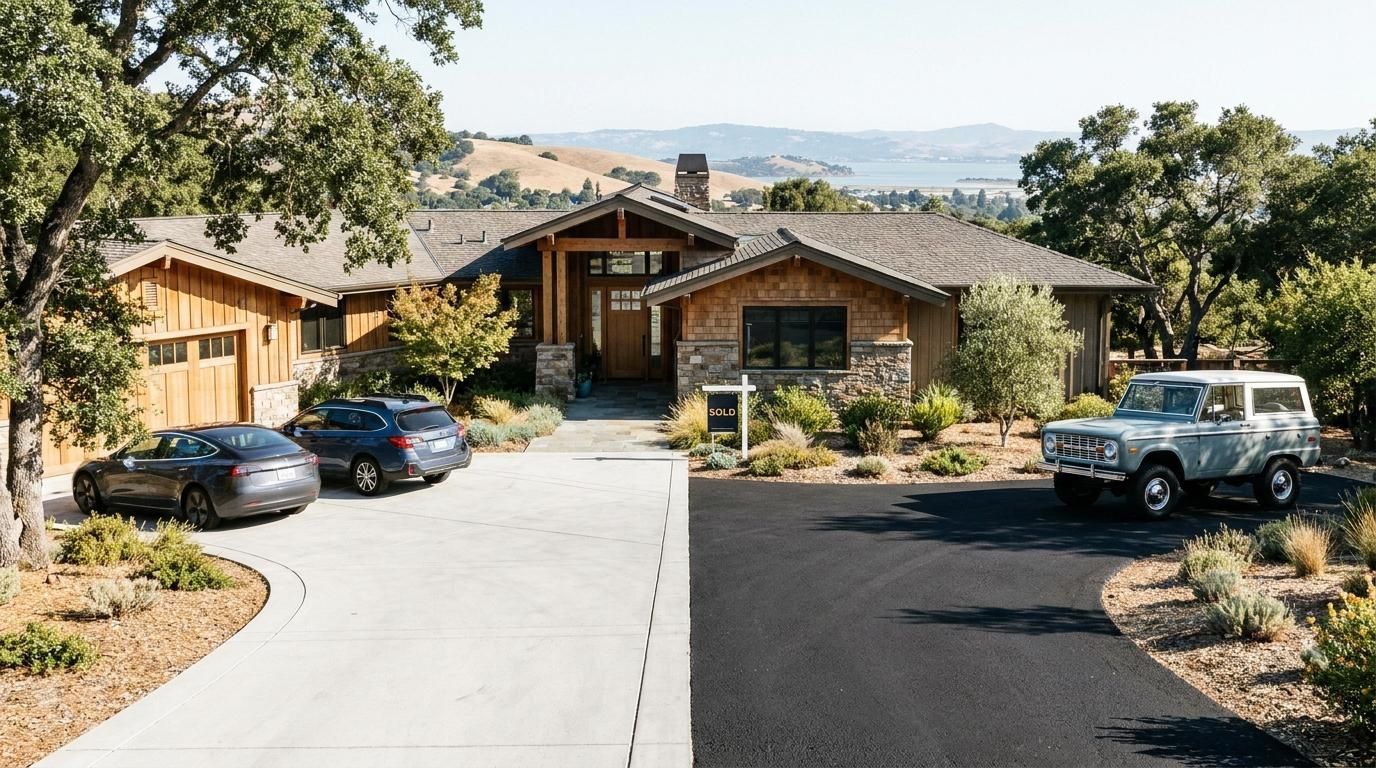
Compare concrete and asphalt driveways on cost, lifespan, maintenance, and climate performance with this Bay Area driveway guide from Cardona Construction.
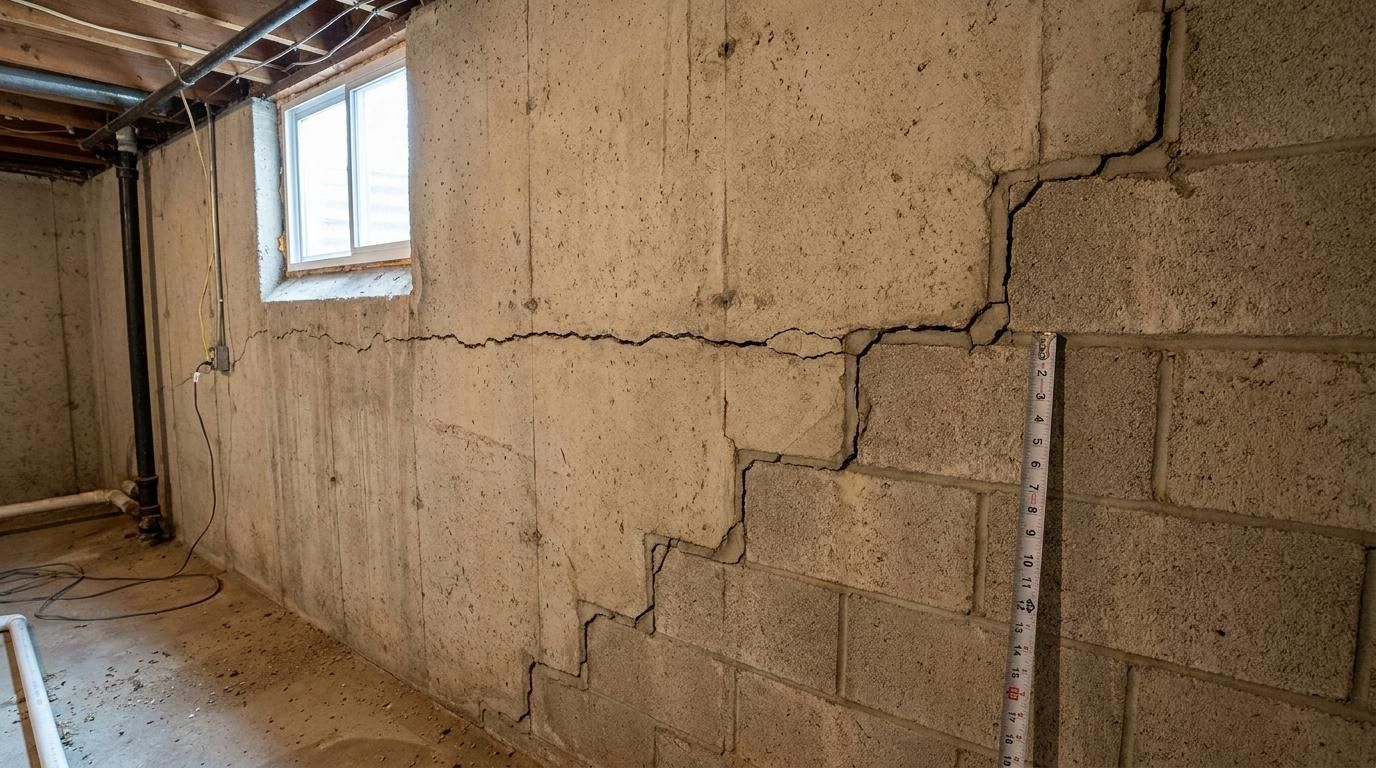
Learn the warning signs of foundation problems, including cracks, uneven floors, & sticking doors, in this Bay Area foundation guide from Cardona Construction.
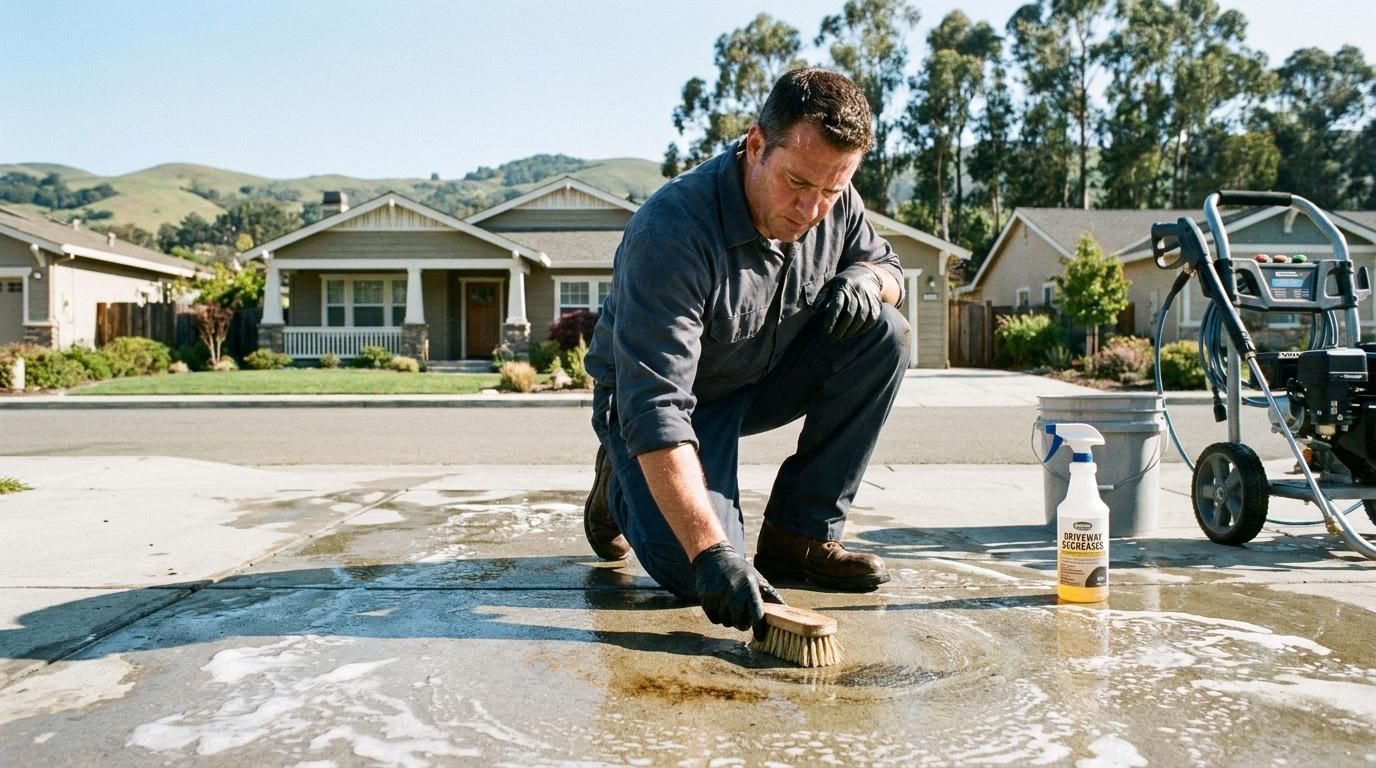
Clean your concrete driveway with proven DIY methods. Get pressure washing, stain removal, and sealing tips for Bay Area homeowners.
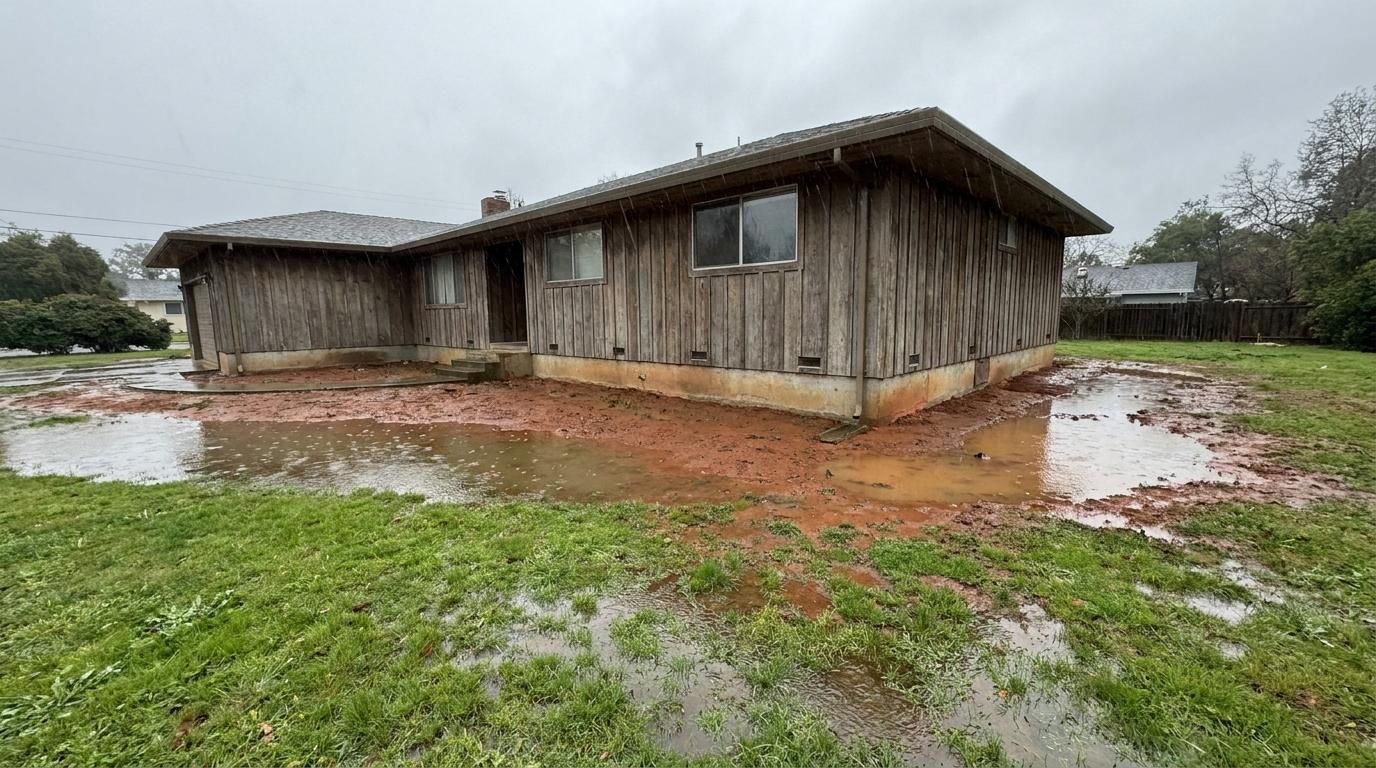
Learn how to improve drainage around your foundation with grading, French drains, and foundation drainage. Get Bay Area tips from Cardona Construction.
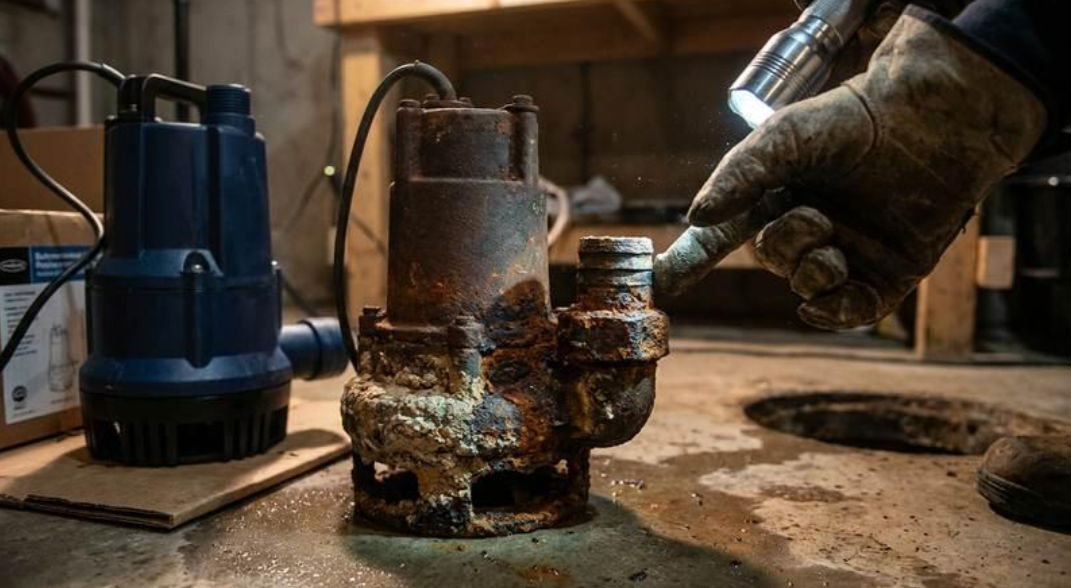
How long will a sump pump last? This Bay Area guide explains the typical 7 to 10-year lifespan, warning signs of failure, and steps that extend your investment.